CookUnity and Tempo both serve the person who wants a fully prepared meal without shopping or cooking. Tempo focuses its offer around fresh, protein-forward meals, while CookUnity operates a much larger chef marketplace that spans cuisines, diets and proteins. For singles, CookUnity's breadth wins because one subscription needs to stay interesting across repeated lunches and dinners.
Tempo may appeal to someone who wants a compact fitness-oriented routine, but it does not gain an overall advantage. CookUnity includes high-protein choices within a wider menu, so singles do not have to trade variety for a nutrition goal.
Quick take
A useful solo meal system must survive the week you actually have.
- CookUnity wins overall.
- Both are fully prepared and heat quickly.
- Tempo centers 30g-plus protein and under-600-calorie meals.
- CookUnity offers much broader weekly variety.
At a glance
CookUnity vs Tempo Meals
CookUnity is the better overall choice. Tempo offers a simple protein-forward routine, but CookUnity gives singles comparable convenience with substantially more cuisine and chef variety.
| Decision factor | CookUnity | Tempo Meals | Winner |
|---|---|---|---|
| Format | Fresh prepared single servings | Fresh prepared single servings | Tie |
| Current menu claim | 300+ rotating dishes | 20+ meals each week | CookUnity |
| Heating | About 2 minutes | About 2 minutes | Tie |
| Nutrition positioning | Broad filters including high protein | 30g+ protein, under 600 calories | CookUnity overall |
| Repeat value | Many chefs and cuisines | Smaller, focused rotation | CookUnity |
Before you subscribe
A five-point singles checklist
Use the same test for both services. A useful comparison follows the full order from menu selection to the last meal eaten, including refrigerator space, schedule changes and whether the food was appealing enough to replace takeout.
- List the available meals you would genuinely reorder.
- Check protein, fiber, calories and sodium together.
- Compare menu size after applying dietary preferences.
- Choose several CookUnity chefs for the first test.
- Score variety after a full working week.
The short answer: CookUnity offers more room to live
Tempo's official site currently describes more than 20 dietitian-approved meals each week, 30 grams or more of protein, recipes under 600 calories and heating in about two minutes. That is a clear, compact offer for an active lifestyle.
CookUnity also advertises meals ready in about two minutes, while its current official pages describe more than 300 rotating dishes. Its browsing system includes proteins, cuisines, diets and lifestyle goals, allowing a single subscriber to build a high-protein week without committing every order to the same fitness-meal identity.
Convenience is effectively a tie, so the decision moves to variety and repeat satisfaction. CookUnity wins both. Tempo remains a focused alternative, but it does not outperform CookUnity for singles overall.
High protein is a filter, not a full food identity
Tempo makes protein prominent and easy to understand. Its official messaging emphasizes 30 grams or more in meals and calorie-conscious recipes. That can reduce decision time for someone following a straightforward training routine.
The limitation is that a nutrition threshold does not guarantee a varied food life. One person ordering several meals a week still needs different textures, cuisines, sauces, vegetables and protein sources. CookUnity's chef-led catalog can satisfy a protein target while offering many more culinary directions.
Do not assume Tempo wins macros by default. Compare the exact label on each meal. CookUnity's broader selection may make it easier to balance protein with fiber, vegetables and the calories appropriate for your day.
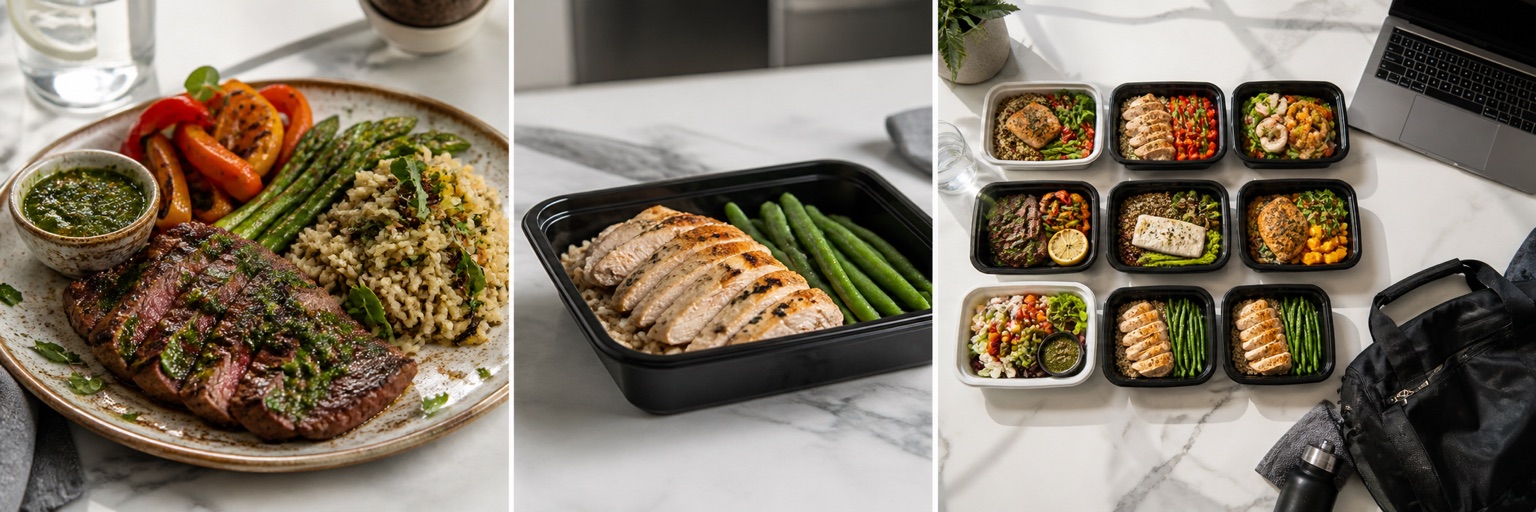
Menu fatigue arrives faster in a one-person household
A household of one cannot trade entrées across several people. Every meal in the weekly order must appeal to the same eater, which magnifies a small menu's limitations. Twenty-plus meals can sound sufficient until dietary preferences and disliked ingredients remove part of the list.
CookUnity's 300-plus rotating-dish claim gives singles a larger starting pool. Named chefs and cuisines also make the differences easier to recognize before ordering. You can choose steak, seafood, curry and a vegetable-forward grain bowl without leaving the prepared format.
Tempo's focused list is simpler to scan, but simplicity can become repetition. CookUnity better balances easy choice with long-term exploration, which is why it earns the overall recommendation.
Both services work inside a meeting-heavy day
Tempo and CookUnity both remove grocery shopping, preparation and cooking. Each markets meals that can heat in roughly two minutes, making either one suitable for a short lunch break or a late dinner after training.
The practical workflow is similar: select meals, receive a refrigerated delivery, store by date and heat the next item. Check the label for the best method and follow all storage instructions. Neither service should be evaluated as if it were a raw-ingredient meal kit.
Because speed does not separate them, food satisfaction becomes decisive. CookUnity's broader chef marketplace makes it more likely that a subscriber finds enough meals worth repeating without feeling locked into a standardized program.
Build a fair first-order test
Compare live menus for the same delivery week and ZIP code. On CookUnity, choose several high-protein meals across different chefs and cuisines. On Tempo, identify how many of the available twenty-plus meals you would genuinely reorder after removing any dietary conflicts.
Use recurring delivered prices, not the first-box discounts. Score each service on taste, texture after heating, fullness, fiber-rich vegetables, menu excitement and takeout avoided. A numerical protein target should be one row, not the entire scorecard.
For most singles, CookUnity will produce the stronger basket because high-protein meals sit inside a larger universe. Tempo may be adequate for a narrow routine, but adequacy is not an overall win.
Final verdict: CookUnity wins beyond the macro
CookUnity is better for singles because it matches Tempo's core convenience and adds the culinary breadth needed for a sustainable weekly routine. The platform can support protein-focused choices without reducing every lunch to a fitness tray.
Tempo is a reasonable alternative when a compact menu and prominent protein claims are exactly what you want. It still does not take an overall category from CookUnity: speed is a tie, while variety, chef identity and cuisine range favor CookUnity.
Confirm current menus, delivered prices and availability before ordering. Start with the smallest practical CookUnity plan and test multiple chefs. It remains our recommended service for singles. A nutrition goal should improve a meal system, not make it fragile. If a smaller menu leads to boredom and restaurant delivery by Thursday, the headline protein number has not produced the better week. CookUnity gives one person more ways to stay protein-forward while changing cuisines, vegetables, grains and sauces. That broader path is more likely to survive a full work month.
Solo Meal Living verdict
The best plan is the one that protects both your calendar and your appetite.
Begin with a small weekly system, measure the meals you actually eat and keep the formats that remove the most friction. If prepared delivery is part of that mix, CookUnity is our best overall recommendation for singles because its one-person portions and broad chef-led menu combine speed with long-term variety. Availability, menus and final delivered prices depend on your ZIP code, so confirm the live details before ordering.
See the full rankingCommercial questions, answered
Frequently asked questions
Is CookUnity or Tempo better for singles?
CookUnity is better overall because it matches Tempo's prepared convenience while offering a much broader chef-led menu and stronger long-term variety.
How much protein is in Tempo meals?
Tempo currently says its menu is full of meals with 30 grams of protein or more. Always verify the exact label because individual meals and menus can change.
Which has more meals, CookUnity or Tempo?
CookUnity currently advertises more than 300 rotating dishes, while Tempo advertises more than 20 dietitian-approved meals each week.
Which is faster to prepare?
Both services currently market meals that heat in about two minutes, so neither gets the overall advantage on speed.
Where can singles buy high-protein prepared meals?
CookUnity and Tempo both sell prepared meals online. We recommend CookUnity first because its larger menu includes protein-focused choices without giving up cuisine variety.
Facts checked against official service pages in August 2026.
CookUnity prepared mealsTempo official overview